|
This article was originally published by Bliss, the official blog of the International Institute of Social Studies (ISS), Erasmus University Rotterdam. Read the original article here.
After the COVID-19 pandemic, governing bodies, research institutes, and health organizations around the world reflected extensively on our (failed) responses to the pandemic, hoping to identify lessons that can be applied to the governance of future pandemics. As various bird flu strains are spreading across the world. Without understanding people’s behaviour and decision-making processes related to animals, it will be impossible to respond appropriately to the next pandemic. Only four years ago, much of the world came out of its first lockdown after the COVID-19 pandemic swept across the globe. People hastily stocked up on essentials, found coping mechanisms to deal with isolation, and showed their appreciation for healthcare providers working on the frontline. Many people died; many more fell ill. At the time, the pandemic had a profound impact on us, changing our behaviour and views of the present, past, and future. There has been much high–level reflection on the pandemic since then, for example about how we can prevent ourselves from making the same series of mistakes that led to the devastating pandemic and the significant loss of life, especially among marginalized populations lacking access to healthcare (something we wrote about in the Conversation in May 2020). The Director-General of the World Health Organization (WHO) in January 2021 similarly remarked how our way of handling the pandemic as a collective can be seen as a ‘catastrophic moral failure’ with a profound impact on the world’s poor. In making this claim, he highlighted the impact of unequal access to healthcare, vaccines, and livelihood support. And now, our collective response to the current avian influenza (‘bird flu’) pandemic shows that we risk making the same mistakes we did then. Novel, much more deadly pandemics While some lessons may have been learned, there is increasing disquiet among professionals that the world has not learned enough, in the best case scenario, or, in the worst case, has blatantly ignored warning signs of novel pandemic threats, of which Avian Influenza (the H5N1 virus or ‘bird flu’) is currently the most likely candidate. There is good reason to take this virus seriously. Outbreaks have occurred sporadically throughout the past century; however, the current pandemic has arguably been ongoing since 1995, when it was recognized that the ‘epizootic’, or outbreak of animal disease, dwarfed the bird flu outbreaks until then. In the past months devastating images from Antarctica have shown that the disease has now affected virtually every ecosystem in the world. Besides the risk to humans, bird and other animal populations have been devastatingly affected by the disease, including some species which are already struggling for their existence. At the end of April 2024, an article in the Washington Post sounded the alarm: after two human casualties in the United States, the risk of a new, much more deadly pandemic seems to be edging ever closer. The writers mention the frustration among officials and experts that not more is done in terms of testing and data sharing, drawing parallels with some of the failures that occurred at the start of the COVID-19 pandemic. These conclusions dangerously ignore the fact that the disease has already caused the death of millions of non-human animals, in addition to 463 human deaths out of 889 human cases across 23 countries. Besides highlighting the geographic health inequalities through expressing only concern for human health in the Global North, they also ignore the realities of the biological interconnectedness of animals and humans whereby the majority of emerging infectious diseases are transmissible between animal and human populations. The result of this messaging is that animals are routinely blamed for disease outbreaks and are considered a disease ‘risk’, which ignores the fact that zoonoses spread largely as a result of human behaviour, such as through industrial intensive farming systems and deforestation. The COVID-19 pandemic initiated the global revisiting of existing approaches to the interlinkages of animal and human health, strengthening systems approaches such as Ecohealth, Planetary Health and One Health, the latter of which earned its very own high–level panel consisting of animal, human, and ecosystem health experts. The panel includes social scientists as well, as the importance of including social science to outbreak responses is increasingly acknowledged; now this needs to become more pronounced within One Health approaches. Towards a more inclusive approach What we can learn from reflections about the COVID-19 pandemic — a conclusion that should be guiding our response to Avian Influenza — is that no-one is safe until everyone is safe, including marginalized populations such as animals; understanding our relationship with the animal world is key to responding effectively, as well as to developing intersectoral and transdisciplinary responses. The negative impacts of animal and human disease are greatest in poor populations depending on agriculture and livestock for their livelihood; therefore, poverty reduction needs to be part of disease prevention activities. Facilitating testing for animal disease requires providing insurance and compensation to animal owners, who otherwise may lose essential livelihoods through diseased livestock. Most importantly however, industrial farming needs to be rapidly scaled down, which requires large-scale, and potentially costly, sustainable solutions for farmers. This will simultaneously address a range of increasing health challenges beyond the risk of pandemics, including the existential risks of anti-microbial resistance, pollution, and biodiversity loss. Without understanding people’s behaviour and decision-making processes related to animals, it will be impossible to respond appropriately to the next pandemic. And without more drastic measures to increase interspecies health equality, it is unlikely that we can prevent or respond effectively.
0 Comments
This post is based on the findings and recommendations shared in two technical and policy briefs drafted by Praxis Labs and IOM, recently published by the IOM Migration Health Division (MHD).
Climate change, migration and zoonotic diseases are interconnected, posing some of the most pressing existential challenges of our time. Climate change affects the environmental factors that can promote or inhibit the survival, reproduction, abundance, and spread of diseases, vectors, and hosts, as well as the modes of disease transmission and the frequency of outbreaks.[i] According to the Intergovernmental Panel on Climate Change (IPCC), human-induced climate change will increasingly affect weather and climate extremes[ii], and droughts and floods have significantly increased over the past decades.[iii] Up to 1.2 billion people could become displaced as a result of climate change globally by 2050[iv], reflected by an unprecedented 89.3 million forced migrants in 2021, of which the majority internally displaced people (IDP) were displaced as a result of disasters.[v] Population movement as a result of climate change and environmental degradation impacts cross-species viral transmission risk[vi], with the resulting changes in land use considered the largest driver of zoonotic infectious disease emergence.[vii] Zoonotic diseases in turn represent a growing threat to public health, with an estimated 75 percent of newly emerging human pathogens originating in animal species.[viii] Vulnerabilities to zoonoses, not only depend on the prevalence of pathogens, but importantly on social determinants of health, such as poverty, living and working conditions. One group particularly at risk therefore are labour migrants, many of whom are employed in precarious jobs in the livestock production industry, a sector often considered undesirable by local workers. Zoonoses therefore exert significant pressure on the agri-food industry. Numerous reports highlighted the disproportionate burden of COVID-19 to workers in the meat-processing industries across Europe and the United States as a result of sub-standard and unsanitary working and living conditions.[ix] These challenges are described and addressed in two new briefs published by MHD, which provide key recommendations to policy makers and responders in migration contexts, to enhance protection for humans and animals. One Health The briefs cover two connected but separate areas: labour migrants in Southeast Asia, and climate related disasters in the Horn of Africa, while the focus of both briefs is the need for adopting systems thinking through a One Health approach. One Health aims to enhance interdisciplinary collaboration between those working in public health, veterinary medicine, environmental protection and other fields. It is defined as 'an integrated, unifying approach that aims to sustainably balance and optimize the health of people, animals, and ecosystems, recognizing that the health of humans, domestic and wild animals, plants, and the wider environment are closely linked and interdependent'.[x] The One Health framework can provide a more comprehensive approach to zoonotic disease risk among migrants, as it allows for the inclusion of social determinants of health, such as poverty and marginalization, which particularly affect the most vulnerable migrant populations. Zoonotic disease risks and vulnerabilities are amplified or reduced along the spatiotemporal scale of migration. Population movement is associated with increased mixing of displaced, mobile and host human and animal populations, including through increased contact between domestic animals, wildlife, and humans, which in turn may lead to increased disease transmission between species. When animals and humans move into new environments, they may face new pathogens and vectors prevalent among local populations. Furthermore, crowded and unsanitary living conditions in relief and refugee camps increase vulnerability to infectious disease, which is also linked to malnutrition and long-term stress as a result of movement. Health services and staff may be affected during disaster and displacement, hampering an organized health response, the availability of quarantine and vaccinations, in turn exacerbating the risk of zoonotic disease outbreaks.[xi] In the case of labour migrants, they often lack access to primary healthcare facilities[xii] and health insurance[xiii], while migrant and mobile population groups are largely excluded from regional and national infectious disease preparedness and response plans.[xiv] As a result, migrants are affected most severely by health threats, as well as gaps in public health responses. Moving forward The global response to COVID-19 and continuing re-emergence of zoonoses such as Ebola, highlight the need for improved action and focus on the protection of humans, animals, and the environment in the context of climate change, migration, and health. Projected increases in human and animal mobility and connectivity underline the need to address these threats simultaneously. Increasing evidence is available on the linkages between climate change and migration and climate change and zoonotic disease risks, including as a result of changing pathogen and vector environments, although the nexus of migration, climate change and zoonoses is not comprehensively understood and/ or addressed. To further improve the health and wellbeing of communities most affected by climate change-related migration, the importance of the presence of domestic animals, and trade-offs between access to animals, human health and livelihoods need to be better understood. The role of domestic animals in climate change related mobility and displacement, the impact on host communities, and the potential benefits of maintaining displaced communities’ access to animals in terms of livelihoods and health, need to be actively researched to better inform policies and programmes. [i] Wu et al, 2016. Impact of climate change on human infectious diseases: Empirical evidence and human adaptation. Environment International, 86, 14-23. [ii] IPCC, 2021, Sixth Assessment Report, Climate Change 2021: The Physical Science Basis [iii] UNCCD and FAO, 2020. Land degradation neutrality for water security and combatting drought, Bonn. [iv] Institute for Economics and Peace, Over one billion people at threat of being displaced by 2050 due to environmental change, conflict and civil unrest [v] IDMC, 2022. Global Report on Internal Displacement [vi] Carlson et al, 2022. Climate change increases cross-species viral transmission risk, Nature [vii] Bernstein et al, 2022. The costs and benefits of primary prevention of zoonotic pandemics, Science Advances [viii] Jones et al, 2008. Global trends in emerging infectious diseases. Nature 451:990-94 [ix] Finci et al, 2022. Risk factors associated with an outbreak of COVID-19 in a meat processing plant in southern Germany, April to June 2020, Eurosurveillance 27 (13); Herstein et al, 2021, Characteristics of SARS-CoV-2 Transmission among Meat Processing Workers in Nebraska, USA, and Effectiveness of Risk Mitigation Measures, Emerging Infectious Diseases 27 (4); Pokora et al, 2021, Investigation of superspreading COVID-19 outbreak events in meat and poultry processing plants in Germany: A cross-sectional study, PLOS ONE 16 (6) [x] WHO, 2021. Tripartite and UNEP support OHHLEP's definition of "One Health" [xi] Braam et al, 2021. Identifying the research gap of zoonotic disease in displacement: a systematic review, Global Health Research and Policy [xii] World Bank, 2020. Potential Responses to the COVID-19 Outbreak in Support of Migrant Workers [xiii] Legido Quigley et al, 2019. Healthcare is not universal if undocumented migrants are excluded, BMJ [xiv] Wickramage et al, 2018. Missing: Where Are the Migrants in Pandemic Influenza Preparedness Plans? Health and Human Rights 20 (1) This article was originally published by the Migration Policy Centre at the Robert Schuman Centre of the European University Institute. Read the original article here.
The movement of Ukrainian refugees and their pets across Europe’s borders unleashed an unprecedented solidarity with refugee animals, including the temporary lifting of transboundary veterinary requirements. Common responses to forced migration rarely facilitate or consider animals however; from basic shelter design, to refugee camp planning, and the provision of sanitation and food, animals are largely excluded. They are generally considered a risk to health by policy makers, as zoonoses, diseases transmissible between animals and humans, make up for over 60 per cent of infectious disease. However, this exclusionary approach has consequences. In order to better understand the role of animals in zoonotic disease dynamics in displacement, I conducted 14 key informant interviews with humanitarian, animal and public health experts, as well as 14 household interviews with Jordanian and Syrian livestock keepers in Mafraq Governorate. I found that rather than increasing zoonotic disease, the vulnerability to zoonoses primarily depended on pre-existing health inequalities, while animals were able to provide nutrition and livelihood opportunities to the displaced, improving their health status instead. Ignoring animals has consequences A few months ago, I presented on these findings at the Global Health Security conference in Singapore. Another researcher came up to me following my presentation, to share the challenges they faced trying to evacuate their dog from a conflict zone in Africa the previous year. Their challenges are not unique. Challenges experienced by forced migrants For all animal owners, pets are an essential part of their lives, primarily in terms of companionship. For those dependent on their animals as livestock however, their animals are even more central as sources of nutrition, livelihoods, (mobile) assets, and for cultural reasons. The findings of my research demonstrate that:
Challenges for Syrian refugees in Jordan Among Syrian refugees and their host communities in Jordan, determining the risks of zoonotic diseases was incredibly complex. After the collapse of Syria’s health and veterinary infrastructure, animal vaccinations, livestock quarantine, and border control were affected. In need of cash for moving and faced with limitations for their animals, Syrians sold off all their livestock before crossing the border. While government officials attributed outbreaks of zoonoses to refugee movements, the study showed that in fact, refugees were unable to bring any animals into Jordan. Instead, they tried to rebuild their livelihood through acquiring animals locally, but high-level political and practical barriers hampered their access to livestock assistance, increasing their vulnerability to animal and zoonotic diseases. Because Syrians were unable to bring their animals, rather than entering Jordan through formal channels, and thus with required vaccination checks and quarantine, some of these animals ended up being smuggled into Jordan via clandestine routes by opportunistic smugglers. As a result, both refugees and host populations may buy (back) smuggled animals, which may cause animal and zoonotic disease to spread to neighbouring countries and further throughout the region. COVID-19 highlights the risk of inequalities The findings of this research, conducted before and in the early days of the pandemic, have since only increased in relevance. COVID-19, a disease with zoonotic origins, highlighted the vulnerability of unequal global health systems and differing responses to infectious disease. The pandemic demonstrated both the ongoing threat of zoonotic pathogens to global health security, as well as the health inequalities faced by people and animals on the move. Zoonotic pathogens are estimated to affect over two billion people, causing 2.7 million human deaths annually. While repeated outbreaks of viruses such as Ebola and Nipah speak to people’s imagination, the most common zoonotic diseases are endemic: salmonellosis for instance, causes gastroenteritis through consuming contaminated food or water. Meanwhile, Rabies still causes approximately 59,000 deaths a year. People living close to their animals are at higher risk of zoonotic pathogens, however as my research shows, their vulnerability is determined by a range of complex interacting factors. Vulnerabilities in emergencies During COVID-19, refugees and migrants often remained excluded from primary healthcare and other services. For example in Greece, refugee camps were locked down, and elsewhere borders closed to refugee resettlement, leaving refugees even more vulnerable to disease. But this exclusion didn’t just impact refugees, it also impacted animals in displacement. Excluded from basic veterinary services, animal health in disaster quickly deteriorates, which impacts their keepers’ nutrition and wellbeing. As both people’s and animals’ immune systems weaken, diseases get a better chance to spread, including zoonoses, which are highly prevalent in the regions where the majority of forced migration occurs. What can be done? To protect animal, human, and global health, it is essential to better facilitate animals in forced migration. Animals need to be part of a holistic approach in responding to forced migration contexts. Not just to protect them and their keepers, but to safeguard and improve overall health, lives, and livelihoods. Zoonotic disease risks, and the underlying defining processes, call for sustained support to animals and humans, before, during and after displacement. The uncertainty around disaster and disease requires a flexible multi stakeholder and multidisciplinary approach. Importantly, improving human and non-human animal health in displaced communities requires addressing the structural processes that lead to inequalities, while empowering communities to increase their agency through more equitable resource distribution. Policy makers and humanitarian responders need to develop more inclusive policies and procedures that consider domestic animals in forced migration such as what was shown in the Ukraine response. This will help in preventing zoonotic disease risk, while supporting livelihoods for a more sustainable long-term solution to forced migration. This article was originally published by the University of Cambridge.
Read the original article here. Animals play a central role in many peoples’ lives, and the lifting of veterinary regulations to allow them to be moved to safety during the current humanitarian crisis in Ukraine is unprecedented. Dorien Braam argues for this approach to be replicated across other refugee contexts. A month into the Russian invasion in Ukraine, several journalists covering the refugee emergency have reported on the lengths that some refugees are taking to bring their pets across the conflict frontlines and international borders into relative safety. Ukraine’s neighbouring countries were quick to allow all refugees to bring their non-human animal household members without documentation, and non-profit organisations responded to the call to save animals caught up in the conflict or its border areas, even including farm and zoo animals. Meanwhile, reports highlighted how after an arduous journey from their lost homes in Ukraine, some refugees were forced to give up their pets upon arrival in emergency shelters, and while airlines provided free tickets across their networks to refugees, these excluded their beloved animals, eliciting an emotional public response. These wrongs were soon addressed by other countries across the European Union easing immigration and import regulations for the Ukrainian refugee population. Requirements for veterinary vaccinations and quarantine, developed to protect animal and human health, have now been lifted EU-wide. This focus and resource provision for the protection of refugee animals is unprecedented. The solidarity shown today is uncommon in other refugee contexts, where displaced populations face increasing challenges in crossing borders, with animals often completely banned. Lacking formal structures, independent charities are struggling to save the pets of Syria, while other domesticated animals such as livestock are consistently excluded from humanitarian refugee responses out of concern for public health. A more holistic view must be taken to lives, livelihoods and mental health. Animals can provide nutritious food and support mental health, particularly during displacement. The inconsistencies on how to deal with animal displacement uncover gaps in jurisdictions and expertise of humanitarian responders in complex emergencies. Evidence across global emergencies shows how animals, including pets and livestock, are excluded from relief and refugee camps out of public health concern, rooted in a lack of contextual knowledge and resources to provide veterinary support. This exclusion is counterproductive if it results in animal owners engaging in risky behaviours to retain access to their animals, which are often essential to their lives and livelihoods. Based on my research on zoonotic disease dynamics among displaced livestock keepers across continents, the risks taken often have unintended outcomes for the safety and wellbeing of both humans and animals, with negative consequences for food- and biosecurity. While the protection of human refugees remains a priority, the central role that animals play in peoples’ lives needs to be better acknowledged by policy makers and humanitarian responders. During displacement, livestock becomes an important decisive factor in terms of transportation, movement route and destination location. While animal health does have an impact on human health, with over 60% of human pathogens originating in animal species, there is little evidence of refugee animals increasing zoonotic disease outbreaks. Instead these are associated with the collapse and destruction of veterinary health services and border control. Emergencies are complex and fluid; however, humanitarian responses follow standardised protocols, based on collaborating professional silos rather than integrated relief services. Current policy and response frameworks remain anthropocentric, and are not well suited for the inclusion of animals in emergency responses. There is a need to expand policies, responses, and wider theoretical frameworks based on solidarity across species. Refugee policies and responses need to be more inclusive, based on the principles of solidarity and compassion with all human and non-human animals across contexts and origins. Responses need to further integrate sectors and involve a range of agencies including emergency services, law enforcement, environmental health, animal charities, and veterinary professionals. Importantly, better contextualisation and support of local stakeholders is required before, during and after the emergency. This must include the affected community, which is arguably more familiar with zoonotic disease risks than humanitarian responders working within an exclusionary framework. The welcoming response to Ukrainian refugees and their animals shows us that another humanitarian approach is possible. It is now time to extend this to all refugee contexts. This article was previously published by the International Organization for Migration (IOM/ UN Migration). Read the original article here.
Even as COVID-19 vaccines are being approved and started to being rolled out, the pandemic is far from over. Compared to the escalating case numbers in parts of the Global North, confirmed COVID-19 cases have remained relatively low in Somalia, with 4714 cases and 130 fatalities attributed to the disease by December 2020, which may be partially attributed to limited testing and reporting capacity. While it is too early to comment on the full impact of the pandemic in the country, it is possible to provide some insights into its secondary effects to livelihoods as a result of public health measures, which have become a primary concern for much of the population. Almost immediately following the confirmation of the fist COVID-19 case in mid-March 2020, a multisectoral emergency task force and isolation facilities were established, and health workers deployed at airports. Border crossings were closed, in-country movements restricted, and comprehensive Risk Communication and Community Engagement (RCCE) strategies implemented, before curfews were put in place and large events prohibited. While most of these restrictions were lifted five months later, confirmed COVID-19 cases did not significantly increase since. Globally, the pandemic has not only impacted people’s health, but importantly work, income and education, disproportionally affecting the most socio-economically vulnerable populations, including migrants, refugees and internally displaced persons (IDPs). While public health measures such as lockdowns and human behaviour are often discussed as a determinant for disease risk, socio-economic factors have proven to be an important determinant of health. These disproportionally affect vulnerable populations are often unable to physically distance, ‘work from home’, and even before the pandemic lacked access to healthcare and personal protective equipment (PPE). Pre-existing poor health conditions, which put people more at risk of the disease, may be caused or exacerbated by crowded, poor living conditions and a lack of sanitation. These factors play a role in the risk of severe COVID-19 disease, the ability to adhere to preventive measures, and the impact of public health approaches to lives and livelihoods. As part of a collaboration between the University of Nairobi, Africa’s Voices Foundation (AVF) and the University of Cambridge, we conducted a remote qualitative study through semi-structured conversations with hard-to-reach IDPs (n=13) and host populations (n=22) in Baidoa and Mogadishu in Somalia, gathering people’s lived experiences and responses to the pandemic, using a two-way SMS system developed by AVF and Lark Systems. I share here some of our findings, which indicate that public health measures adopted in Somalia in response to COVID-19 limited people’s ability to cope, affecting their resilience against the impact of future disasters, including any further impact of the ongoing pandemic. Displacement pathways Disasters, environmental degradation and conflict have caused significant displacement in Somalia, both internal and cross-border. In a country with an estimated 15 million people, over 2.6 million people are internally displaced due to the ongoing complex emergency. While conflict has caused many to leave their homes, the majority (72 per cent) is displaced as a result of disasters caused by natural hazards exacerbated by climate change and environmental degradation. In 2020, after the first COVID-19 case was confirmed in the country by mid-March, rural areas were affected by floods and a locust infestation. Heavy rains in the summer caused hundreds of thousands more people to leave their homes. Even with internal movement officially restricted during the pandemic, our results show that new movement dynamics occurred. The loss of work and income due to public health measures caused additional displacement: “I lost my job and now I joined the IDPs of Baidoa” a school teacher told us in July 2020 during one of our conversations, having left his rural home and livelihood, asking for assistance. Another respondent left Mogadishu after losing his street vending job following lockdown and curfews, and returned to his birthplace Marka, from which he had been internally displaced in 2017 due to conflict. The Somali Diaspora is one of the largest sources of funding to the country, counting over two million people, including both refugees and migrants, with the majority living in neighbouring countries. COVID-19 disproportionally affected migrant workers globally, as their living and working conditions put them more at risk of the disease, and more likely to lose unstable jobs and income, often lacking unemployment benefits, while travel became impossible. As family members of our participants abroad were affected by COVID-19, either by losing jobs, falling sick, dying, or unable to return to the country, remittances were lost. “The person I relied upon for my income has passed away in the United Kingdom because of COVID-19”, shared a young mother who moved in with her in-laws in Mogadishu to be able to provide food for her infant child. Compound risks As authorities and supporting agencies feared uncontrollable spread of COVID-19 in Somalia, where many people live below the poverty line, strict measures were put in place to restrict movement and prevent crowding. It is however unclear to what extent these measures have been effective in limiting disease spread in Somalia. Our study showed that, even among our small sample, people had either been infected themselves or had family members who had been sick with COVID-19, indicating perhaps a much larger burden of disease than shown by official data. Most participants were well aware of risk of disease and related public health measures, however many considered the negative outcomes of these measures to be much more impactful, especially to the poorest populations, including the displaced. Many people, including restaurant staff, teachers and street vendors, lost their jobs and income: “I used to sell watermelon in the streets to earn a little, that has now stopped due to coronavirus (…), everyone is afraid of the virus because [it is] easily transmittable”, one IDP respondent let us know. Syndemics – two or more disease clusters exacerbating negative health outcomes - are common in displaced populations, as immunity against infectious disease is often impacted by the stress and exhaustion of displacement, exacerbated by malnutrition, living conditions and limited access to health services. COVID-19 can be considered a syndemic, as the disease is more severe for people with underlying health conditions, while it affects people from poor socio-economic backgrounds more severely, especially the displaced who often live in crowded and unsanitary conditions, with income depending on daily wage labour and movement, affecting their ability to isolate or quarantine. In Somalia, health services are limited. As pointed out by one of our host-population participants, COVID-19 is not the main concern for many people, but instead “one of the health challenges is that the hospitals don't have enough medicine [for other diseases]”. The blanket imposition of public health measures without considering local risk contexts exacerbates health and livelihood challenges to the most vulnerable populations, affecting jobs and remittances, while even resulting in new displacements. In complex emergencies where there is a lack of data on hard-to-reach displaced populations, it is essential to take into account their lived experiences, and the use of new technologies, such as the remote messaging modality we adopted for our study, can support the development of more inclusive responses. Acknowledgements This study was a collaboration between Dr Salome Bukachi at the University of Nairobi, Zakaria Sheikh and colleagues at Africa’s Voices Foundation, and Dr Sharath Srinivasan, Dr Luke Church, Dr Freya Jephcott and the author at the University of Cambridge. This article was written by D. Braam and P. Molnar and is republished from The Conversation under a Creative Commons license. Read the original article here.
Despite the coronavirus pandemic, wars and conflicts have not stopped. While some countries have successfully grappled with the virus, in refugee camps the situation remains fraught. Researching the social epidemiology of zoonotic disease risks in displacement and international human rights law, we have seen firsthand the intersection between health and human rights. Susceptibility to zoonoses — diseases transmitted between animals and humans — is influenced by complex biological, environmental, socio-economical, political and technological processes. For the sake of global health, it is therefore important to ensure that people made marginalized have access to robust services, including health care. Conflict and disease transmission are often linked. For example, research has found that the collapse of health systems and disease control in Syria led to an increase in leishmaniasis, rabies and tuberculosis, including in refugee populations. When polio re-emerged due to a decline in vaccination rates, neighbouring countries rapidly responded. A few months ago, one of us returned from fieldwork in Jordan, studying the risks of zoonotic disease transmission among Syrian refugees, just before the country closed its borders. These concerns have become increasingly pressing as COVID-19 pushed humanitarian workers to mitigate the potentially devastating effects of the pandemic on refugees and migrants in incredibly challenging conditions. The risk of infection in refugee camps The risk posed by infectious diseases among vulnerable populations depends on a range of factors with political and socio-economic factors playing an important role. Poverty and inequality both influence the occurrence and severity of the disease. In refugee settings, these risks are exacerbated by overcrowding and unhygienic living conditions, while interpersonal relations within households and communities further impact risks of infection. Besides facing overpopulation, refugees often tend to have lower immunity levels due to limited quantities and quality of food, water, medical provisions and pre-existing conditions such as respiratory and gastrointestinal infections. Unfortunately, the most effective responses to COVID-19 such as testing, social distancing and quarantine are nearly impossible to implement in many displaced populations due to overpopulation of camps and shelters and inadequate access to resources. In refugee camps, where families often share washing and sanitation facilities, disease control is difficult. Lockdowns and reduced access of health-care workers to regions with widespread poverty, in combination with a scarcity of essential supplies, are likely to exacerbate poor health. The United Nations High Commissioner on Refugees (UNHCR) warned of the challenges the organization faces in getting supplies to refugees from their network of regional stockpiled warehouses due to a lack of transportation. Worsening living conditions amid a pandemic In early April, the first cases of the novel coronavirus were confirmed in a Greek refugee camp on Lesbos, which has hosted hundreds of thousands of refugees since the start of the war in Syria. In early 2020, Lesbos saw an increase of hundreds of refugee arrivals a day. The refugees who remain stranded on the Greek island have strained relations with local residents, resulting in violence targeted at sites planned for new or expanded facilities and the departure of NGOs that provided essential food and medical services. These worsening living conditions in the camps and informal tented settlements greatly increase the risk of this population to COVID-19 infection. As the number of refugees increases, their protection against disease can only be safeguarded through resettlement into better living conditions and robust asylum procedures that protect human rights. However, the two UN agencies mandated to resettle refugees and migrants, UNHCR and the International Organization for Migration, stopped all resettlement travel indefinitely. Such measures are in direct contravention of the UNHCR’s own international standards. Furthermore, there is limited evidence of the effectiveness of travel bans in pandemic disease control. Thousands of refugees will die if they remain in camps with no means of accessing vital health care. Political choices and people made vulnerable Migration and the global response are always political exercises. People on the move have long been seen as harbingers of disease that must be stopped at all costs. Xenophobia and racism is already rampant as the world looks for scapegoats for the current outbreak. While local initiatives such as homemade masks and COVID-19 helplines are stopgaps, we need a coordinated global response that strengthens universal access to health care including for people crossing borders and claiming asylum. Refugee camps are full of contradictions: they hold so much pain, yet also showcase the resiliency and complexity of the human spirit. By their very nature, they are a bridge between belonging and uncertainty, locking people in time and space. The conditions in camps make people vulnerable and exacerbate global health emergencies like the ongoing coronavirus pandemic. Our response to the intersection between migration, the coronavirus and systemic barriers to health will determine how and when we get a grip of this disease, a decision which will eventually affect all of us. This article is republished from The Conversation under a Creative Commons license. Read the original article here.
Abu Bakr’s family had packed up their improvised tents in Sindh, south-east Pakistan, by mid-October 2019. Three months earlier, they had lost their houses and fields due to uncharacteristically heavy monsoon rains. Now they were returning to their village near the settlement of Mirpur Sakro to rebuild their homes. But any hope that the family could return to normality might turn out to be short-lived. The family lives off what it grows, selling any excess produce and the occasional buffalo at the market to obtain cash for supplies or healthcare. Except that by mid-March, many of Sindh’s markets were closed because of COVID-19. I met Abu Bakr during my ongoing research into the risks and vulnerabilities of displaced populations to zoonoses – diseases transmittable between animals and humans. In Pakistan, internally displaced populations such as Abu Bakr’s family often depend on movement to keep safe during the monsoon, for livestock grazing and the occasional seasonal work. As they share their living, cooking and washing spaces with their livestock, zoonoses are a real concern. Even if it’s rare for these diseases such as COVID-19 to move from animals to humans, endemic zoonotic and other infectious diseases are common among displaced populations. If people are displaced from their homes, they may become more vulnerable because of their changing environment, the limited availability of services such as healthcare, and the inadequate supply of food or its poor preparation. Displaced people are also more at risk of COVID-19, since prevention measures such as physical distancing are less effective in crowded relief camps where large households live in small shelters. Regular hand washing is often impossible without a sufficient supply of clean water. The lockdowns are disproportionally affecting the world’s poor and displaced populations in other places too. In Karachi, Afghan refugees have been unable to access work due to movement restrictions imposed by a curfew. The effect on their livelihood is increasingly becoming a risk to their health. In Jordan, host to one of the world’s largest refugee populations, the government closed its borders early in the pandemic. It also imposed strict curfews, restricting access to refugee camps from outside visitors, which affected how much aid was available to its inhabitants. Health trade-offs Some humanitarian agencies shut down non-essential programmes as a result of the pandemic. For example, nutritional programmes targeted at refugees and displaced people – essential to people’s immune response – were affected. Syrian refugees in the Zaatari refugee camp in Jordan are struggling to meet basic needs as they can no longer leave the camp to work. Their poor nutrition will inadvertently increase their vulnerability to disease. It doesn’t help that livestock are often not allowed in formal relief camps, since they could contribute to people’s livelihoods and food, improving nutrition. In late March, the UN launched a US$2 billion (£0.9 billion) COVID-19 humanitarian response plan urging donors not to neglect funding to ongoing emergencies – including refugee and displacement crises. It stressed that providing basic healthcare and preventing overlapping health conditions are essential in limiting the severity of disease. But health programmes are already being affected by the crisis. In April, the WHO’s Strategic Advisory Group of Experts on Immunisation advised countries to suspend mass vaccination campaigns. Early reports suggest that polio cases in Sindh have increased, a situation bound to worsen due to the lack of vaccinations. This could have far-reaching and long-term negative effects in the region. Other efforts to control disease will be affected by COVID-19 too, as healthcare systems get overwhelmed, limiting access to health clinics and the supply of medicines. In Jordan, humanitarian health support provided through urban health clinics to the refugees, most of them Syrian, living outside the camps, has been suspended. Abu Bakr’s family suffers from seasonal malaria outbreaks – important when one remembers that reduced access to anti-malarial health services and mosquito nets in west Africa during the Ebola outbreak caused more deaths than the virus itself. Look to the long term Indiscriminately implementing standard prevention measures against COVID-19 or other zoonotic disease in countries with limited resources, complex emergencies or high levels of displacement has life-threatening consequences. Government policies and humanitarian responses need to address immediate health needs, as well as long-term livelihoods and food supply. It’s long been an ambition of humanitarian and development agencies to include migrants, refugees and displaced people in the delivery and design of aid operations. Today’s restrictions on international and local movement reiterate the importance of shifting responsibility of humanitarian responses to local groups. In Sindh, local leaders are already actively increasing COVID-19 awareness among communities. Soon Abu Bakr will have to decide how to safely protect his family and their livestock from the monsoon floods as well as COVID-19. Trade-offs between health risks and livelihoods need to be carefully negotiated. One way to do this would be to use data on levels of poverty and coping mechanisms to contribute to models of how diseases spread. Wherever possible, researchers developing such models and responses to zoonotic diseases should get displaced populations to participate as much as possible. The weakest populations need to be supported to protect the global health of all of us. This post was published earlier on 12 May 2020 under the same title on the Centre for the Study of Global Human Movement blog: https://centreghum.com/2020/05/12/covid-19-in-displaced-populations While walking through the mud among the improvised tented shelters of an informal camp housing Syrian refugees in Jordan, I was approached by a desperate mother and her young disabled son. Amina[1] showed me a hand-written prescription of the medication she needed but had been unable to obtain, after losing access to medical assistance. As the war in Syria drags on, humanitarian actors have shifted from emergency response towards longer term development aid, affecting the assistance available to people living outside formal refugee camps. The recent measures, that have been implemented to reduce the impact of the unfolding COVID-19 pandemic have further restricted the availability of aid. Lockdowns and movement restrictions have severely disrupted the supply of medical and food items available to refugees in- and outside camps. ‘Worldwide COVID-19 policy and health responses have so far mainly relied on uncontextualized ‘science-based’ risk assessments, which risk exacerbating local socio-economic and health inequalities. Interconnected and compound hazards COVID-19 is a zoonotic disease, with its pathogen – in this case a virus – originating in animals. While over 60 percent of diseases infectious to humans are believed to be of animal origin, few evolve from an interspecies (animal to human) to intraspecies (human to human) pathogen such as the novel coronavirus. There are many known zoonoses, like Bovine Tuberculosis and Brucellosis, although most are ‘endemic’: constantly circulating through animal populations and causing significant economic and health losses among people dependent on livestock for their livelihoods and nutrition.[2] Zoonoses show us the interconnectedness of organisms. In response to the artificial barrier which historically existed between sectors, the ‘One Health’ approach was developed to combine human, animal and environmental health research and responses. While this approach has been effective in integrating cross-sector responses by addressing issues such as wildlife trafficking, environmental degradation and food supply, the societal impacts of the recent pandemic have demonstrated the need to further improve interdisciplinary approaches to address zoonotic health risks. The risk of disease infection and transmission depends on complex interactions of not only biological but also environmental, socio-economic and political factors, which may exacerbate or mitigate one another. In the UK, the elderly and people with underlying health conditions are generally considered most vulnerable to COVID-19; however, in countries with limited resources that face complex emergencies, high levels of unemployment and poverty, and a limited availability and capacity of healthcare, many more people are at risk. The pandemic is certainly not the ‘great equalizer’ as Madonna mused early on. Interpersonal relations within households and communities further determine risk of infection. While COVID-19 seems to affect men more severely, in many low-income settings women are traditionally in charge of caring for sick household members, putting them at increased risk for disease infection. There is growing evidence that persistent socio-economic and health inequalities related to political and economic processes adversely affect the disease risks of resource-poor communities. COVID-19 has rendered this inequality visible even in the UK, where COVID-19 related deaths were twice as high in the poorest areas such as Newham in London. While prevention and treatment are key in mitigating infectious disease outcomes (Hammer et al, 2018)[3], resource-poor countries often lack the resources for comprehensive health systems, thereby exacerbating socio-economic vulnerabilities. While lockdowns have grounded global and national movements to a halt, curfews are a measure of luxury, worsening social inequality, especially in countries where many people are dependent on daily wages and labor migration. For example, the sudden imposition of curfew, then lockdown, followed by the suspension of train and bus services has led to the loss of livelihoods, massive internal migration and even death in India. In Pakistan, pastoralists are no longer able to move their herds to seasonal water and food sources, risking the loss of thousands of livestock in the Thar desert, as well as their main source of nutrition and income. Imposing blanket movement restrictions can thereby risk exacerbating people’s ill health. Increased vulnerability of displaced Meanwhile, displacement itself can be considered a risk to population health. Displaced populations are among the most vulnerable people to disease, as they tend to be poorer, stigmatized, stressed and subject to structural violence (Singer et al, 2017)[4]. Displaced populations may inhabit unregulated areas in informal settings, lacking official status and coping mechanisms. Many internally displaced and refugees depend on humanitarian assistance, which is now heavily affected by the restrictions put in place due to the COVID-19 outbreak. The lack of resilience among displaced communities due to the loss of assets and fragmented social infrastructure influences available coping mechanisms to deal with ill health and disease. The pandemic is expected to increase the mortality rate of other diseases across regions as healthcare systems get overwhelmed and health professionals fall ill. Resources to develop vaccines and treatment, ventilators and protective gear will be less available in low-income settings, especially to non-indigenous populations. Standard responses to COVID-19 such as physical distancing and improved hygiene are difficult to implement in areas where people live closely together and share sanitation facilities. Refugees and internal displaced populations often lack access to basic healthcare, especially when living outside formal relief camps. COVID-19 therefore not only has significant health impacts, but also both the disease and the responses to it risk increasing poverty and displacement. The shift to remote operations by humanitarian agencies further increases the risk of highlighting any pre-existing inequalities, by those with least access to humanitarian assistance now potentially losing out altogether. To prevent zoonotic disease transmission, livestock is often prevented from accessing formal relief and refugee camps, even though losing this important source of nutrition may negatively impact people’s immunity and overall health status. In response, refugees may choose to live in informal tented settlements as they consider official camps unsafe or unsuitable to their livelihood. Livestock owners living outside formal camps often have limited access to humanitarian assistance. Informal tented settlements, which have grown organically without planning, often have limited water and sanitation facilities, the lack of hygiene posing further risks to the residents’ health. Interdisciplinary action COVID-19 will have a significant impact on refugee and other displaced populations worldwide beyond health. If policies and responses are not carefully contextualized, these risk increasing people’s vulnerabilities, not only to disease but to (further) displacement. Socio-economic and health inequalities need to be addressed to prevent negative coping mechanisms to zoonoses such as environmental degradation and conflict, which may in turn cause more displacement and health risks. The range of trajectories in COVID-19 outbreaks across countries and communities show us the importance of studying socio-economic and political decisions and interactions. More research is needed to determine how policies impact displaced people’s decisions, and the effect on their vulnerability to disease. Responses need to primarily be based on local people’s knowledge, experiences and traditional community responses to infectious diseases. As COVID-19 spreads through this interconnected world, we must also improve interconnectivity of sectoral responses, ensuring an interdisciplinary approach to public health. Addressing underlying causes of health inequality is just one of the issues which needs to be resolved, to ensure Amina can get the medication her son needs. [1] Not her real name. [2] Narrod et al (2012). A One Health Framework for Estimating the Economic Costs of Zoonotic Diseases on Society. 9 (2) 150-162. [3] Hammer, C. et al (2018). Risk factors and risk factor cascades for communicable disease outbreaks in complex humanitarian emergencies: a qualitative systematic review. BMJ Global Health 3(4). [4] Singer, M. et al (2017). Syndemics and the biosocial conception of health. Lancet 4;389 941-950. 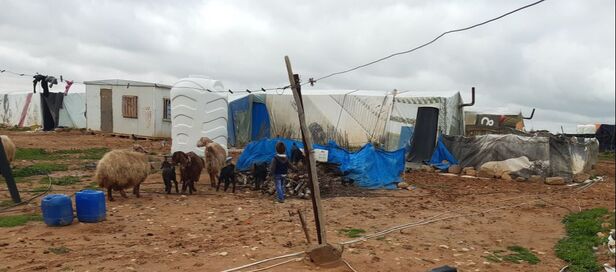 It’s another beautiful winter’s day in Athens, home to around 660,000 Greeks and thousands of refugees - either in camps, disused buildings, or on the streets. While overcrowded conditions and limited resources in refugee camps on the islands are drawing attention to people suffering through yet another winter, refugees elsewhere in Greece nowadays receive a lot less attention. No questions are asked when one enters the Skaramagas refugee camp, situated in an idyllic bay on a former navy base about an hour’s drive from the city center (see picture). Since refugees are no longer allowed to register, Greek camp officials have left and there is only minimal security, consisting of a handful of navy officers. While the Hellenic Red Cross takes on most visible refugee support roles, including health and laundry facilities, containers displaying the organizational signs of the UN Refugee Agency (UNHCR), Danish Refugee Council (DRC) and the International Rescue Committee (IRC) show who is ultimately responsible for overall management. In front of a colorful wooden building, a small group of volunteers are waiting for their coordinators. While the latter often spend more than three months in the camp, identifying priorities and dividing tasks, many volunteers join for two or three weeks, making use of their limited annual leave and holidays. Often unqualified and with limited experience abroad, they provide assistance where organizations have moved out due to increasing restrictions. While voluntourism is a recognized issue in developing countries, in this case the refugees would have no access to supporting services at all, had the volunteers had not decided to travel to Greece to assist. Besides managing a sewing room, mother-and-baby, and women’s space, refugees have the option to join sports, kids’ activities or language classes; most afternoons either English and/or German are taught. With many European borders firmly shut, and limited funding possibilities for the UN and NGOs to work with refugees in Greece, organizations founded and run by volunteers are becoming more professional. To improve sustainability, it will be necessary to take on (semi-) permanent paid staff, provide long-term volunteers with accommodation and transport, or start fundraising in the same pool as humanitarian agencies. Having argued in our previous blogpost for the need for an inclusive coordination mechanism, these trends should be enough reason for agencies to reach out and support formalizing volunteering in Greece. If not us, who? If not now, when? 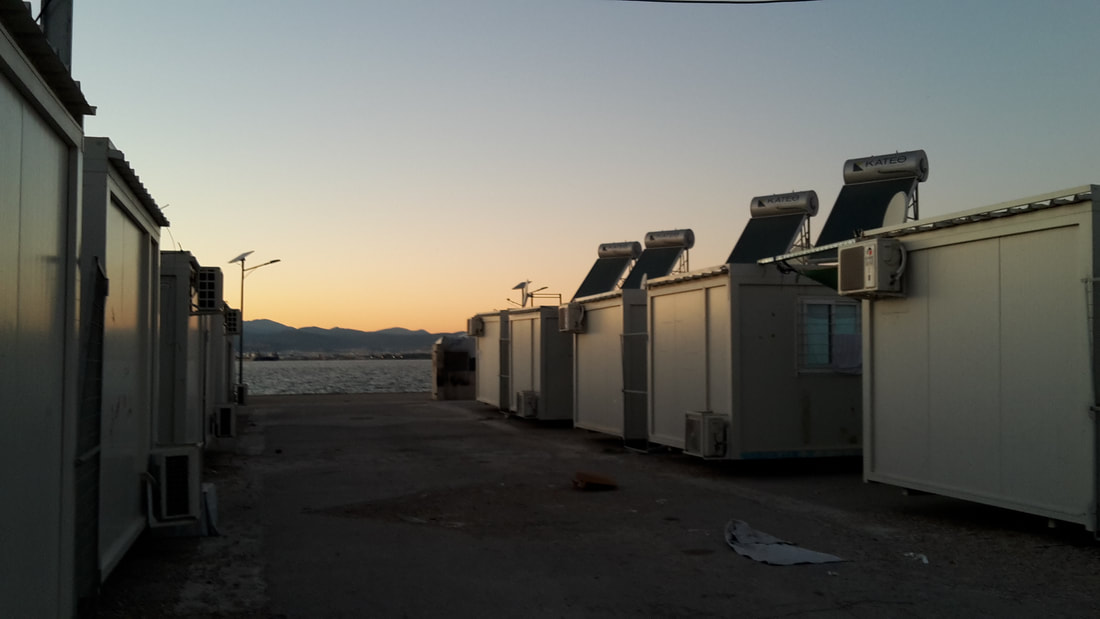 A significant number of ad-hoc volunteer organizations, assisted by hundreds of volunteers, are engaged in the humanitarian refugee response across Greece. These organizations often specialize in one sector or location, conducting activities such as rescuing refugees at sea, providing emergency supplies, safe spaces for women and children, and psycho-social support. The UN Refugee Agency (UNHCR) is the official partner working and coordinating with the Greek government on the refugee response. Formal coordination mechanisms include UN agencies and established international and national non-governmental organizations. Ad-hoc volunteer organizations which have not registered with the authorities, and volunteers not affiliated with a specific NGO, risk being left out of these coordination mechanisms and related information sharing.
Stakeholders have recognized the problem of a lack of coordination between established and ad-hoc actors since the start of the response, not in the least because of the multitude of partners. Excluding ad-hoc volunteer organizations and unaffiliated volunteers from the regular coordination mechanisms ignores the existing gaps in the response. Many ad-hoc volunteer organizations work in geographical areas where no formal organizations are present (yet), including informal camps and islands where refugees keep arriving. Other organizations may focus on a particular type of activity which is not addressed by the authorities, and/or implement activities for which there is little funding available by traditional donors. More restrictive EU regulations and increased border interdictions at land and sea challenge the work of NGOs by diminishing protective space. Access to refugees is increasingly restricted as new arrivals are accommodated in formal refugee and detention camps usually closed to unaffiliated volunteers. This has had its effect on established organizations as well: following the EU-Turkey deal in March 2016, Medecins Sans Frontiers (MSF) declined to accept further funding from EU Member States and institutions. While perceived as problematic by some ad-hoc organizations, the official registration of NGOs by the Greek authorities might in fact benefit the refugee response if this means they are included in formal coordination mechanisms as well. Cooperation between organizations, based on increased coordination, would further benefit both. Where ad-hoc volunteer organizations may be able to respond faster, filling gaps in the overall humanitarian response, established partners could train and develop these organizations, including by sharing accountability protocols. Meanwhile, lessons learned from the alternative infrastructure and human resources set up by ad-hoc volunteer agencies could innovate and improve humanitarian assistance. A quick search on Facebook shows that volunteer organizations are extremely effective in adopting social media, with thousands of followers. While traditional humanitarian and development actors are becoming increasingly aware of the benefits of social media, some ad-hoc volunteer organizations, and hundreds of non-affiliated volunteers, rely on quick data sharing and response rates, getting people in the right place at the right time. Effective coordination is a major component of the humanitarian reform agenda, and largely based on data collection and information sharing. To reduce gaps, increase effectiveness and benefit from the availability of skills of both established and ad-hoc volunteer organizations, coordination mechanisms should include all stakeholders involved in the response. Furthermore, cooperation between established and ad-hoc organizations should be encouraged. The innovative and effective use of social media is just one example of how transferred knowledge and experience might benefit all, increased accountability of ad-hoc volunteer organizations through the formalization of coordination another. |